What are Smart Snacks?
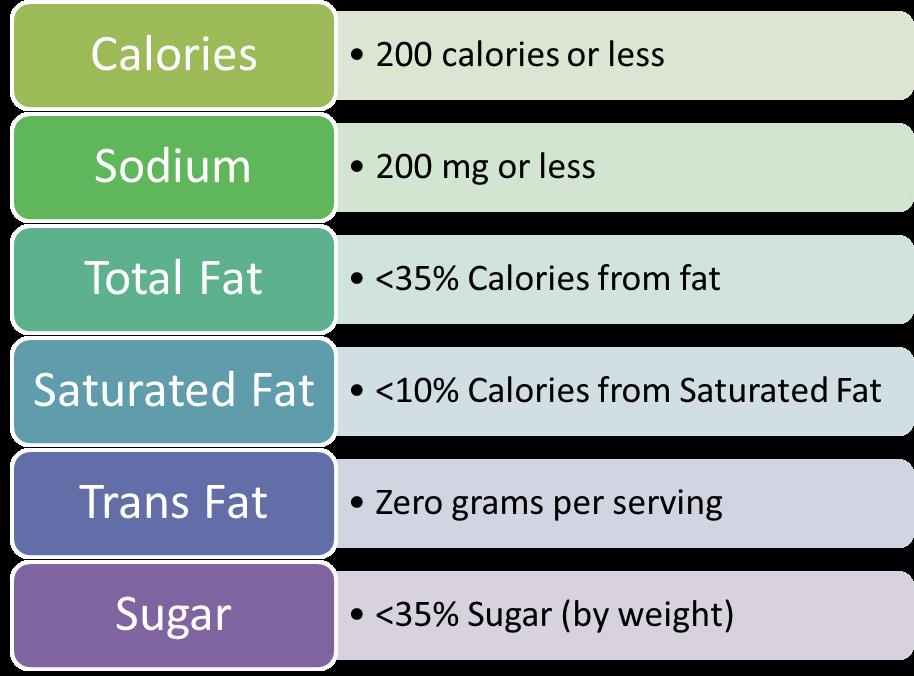
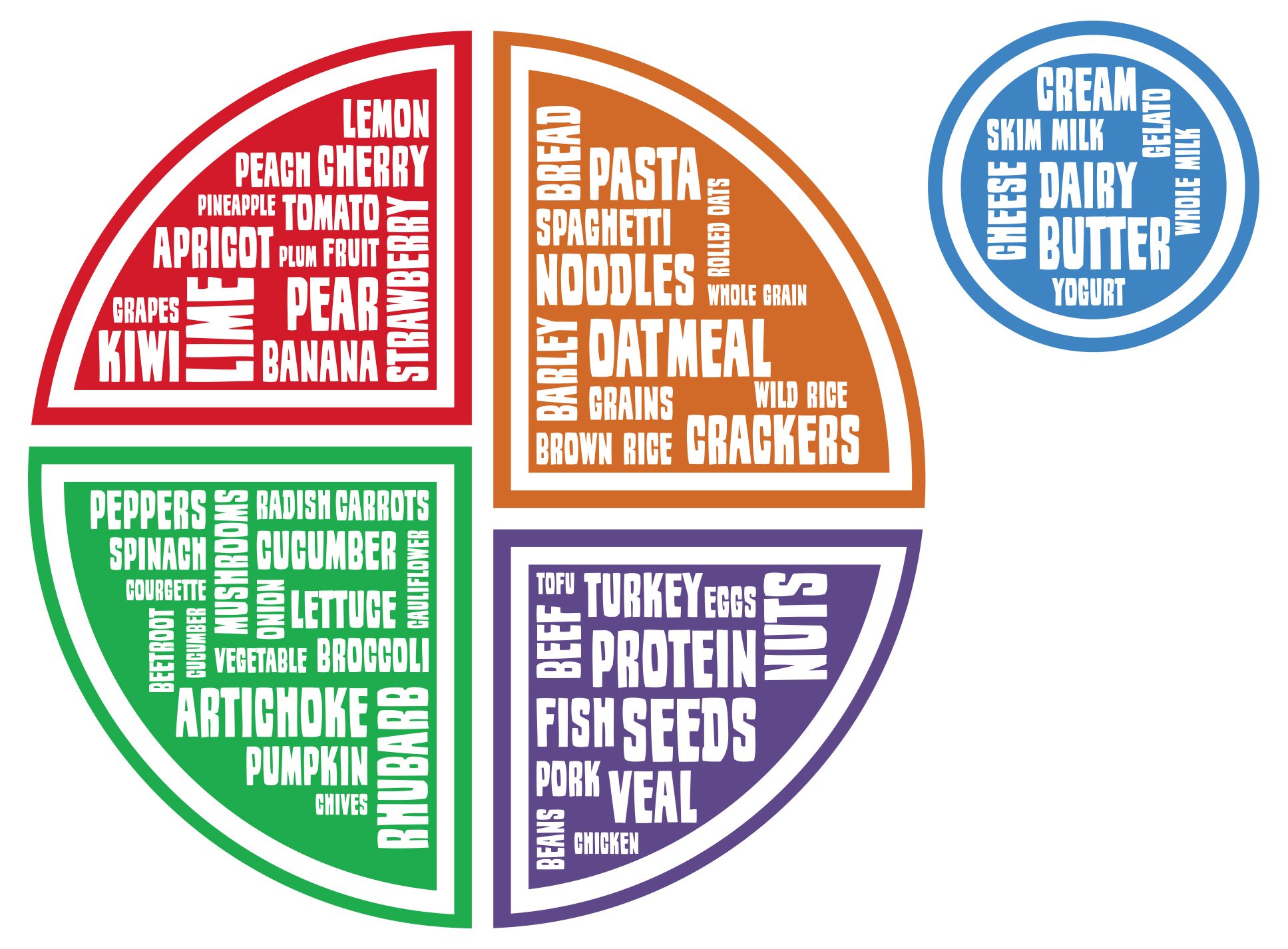
Smart Snacks in Schools are federal nutrition standards established by the United States Department of Agriculture that apply to all foods and beverages sold to students during the school day outside of the reimbursable National School Lunch Program (NSLP) and School Breakfast Program (SBP).
The Smart Snacks standards were implemented nationwide beginning July 1, 2014 and remain in effect for all public and participating non-public schools. The goal is to ensure students have access to nutrient-dense, age-appropriate snack options that support health and academic performance.
At Focus Learning Academy – North and Central, Smart Snacks standards are implemented in conjunction with Ohio Competitive Foods rules to ensure full state and federal compliance.
What qualifies as a Smart Snack?
Competitive Foods are all foods and beverages sold to students that are not part of a reimbursable NSLP or SBP meal.
Key Definitions:
School Day:
From 12:00 a.m. (midnight) until 30 minutes after the end of the official school daySchool Campus:
All areas under school jurisdiction that are accessible to students during the school dayExtended School Day:
Includes after-school activities, enrichment programs, tutoring, or child care programs.
What are Competitive Foods?
Competitive Foods: All food and beverages, other than meals reimbursed under the National School Lunch and School Breakfast Programs, on the school campus at any time during the school day.
School day- The period from midnight before to 30 minutes after the end of the official school day.
Extended school day: Time students are at school after regular school day, including but not limited to, participation in extracurricular activities or child care programs.
School campus: all areas of property under the jurisdiction of school that are accessible to students during the school day.
When can competitive foods be sold in schools?
Under Ohio and federal requirements:
Competitive foods may not be sold during meal service
Competitive foods may not be sold 30 minutes before or 30 minutes after scheduled meal periods
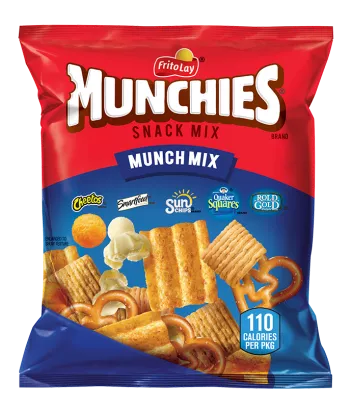
All competitive foods sold during the school day must meet Smart Snacks nutrition standards, unless an approved exemption applies
Where do Smart Snacks and Competitive Food Rules apply?
Smart Snacks standards apply to foods sold:
In school cafeterias (outside reimbursable meals)
Through vending machines
In school stores
At food-based fundraisers
During any on-campus sales accessible to students during the school day
What about fundraisers?
Non-Food Fundraisers
Unlimited
Examples: school supplies, spirit wear, merchandise
Food-Based Fundraisers
Must meet Smart Snacks nutrition standards
May not be sold during or within 30 minutes before or after meal service
Ohio-Approved Exempt Fundraisers
Per guidance from the Ohio Department of Education and Workforce:
Each school may conduct up to three (3) food-based fundraisers per school year that are exempt from Smart Snacks nutrition standards
These fundraisers must still comply with meal-time restrictions
Additional Clarifications
Smart Snacks standards do not apply to:
Foods sold outside the school day
Foods not intended to be consumed on campus
Classroom celebrations and holidays may be exempt only if allowed under local school policy and conducted outside meal service windows
(Translation: holidays are not automatically exempt—local policy controls.)

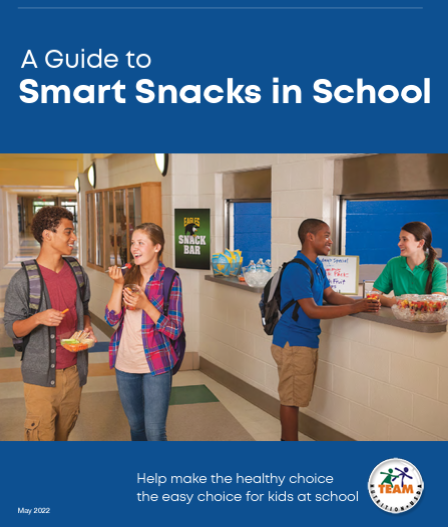
The USDA Guide to Smart Snacks in Schools....
Can help parents, school faculty and the general public understand how to offer more healthy choices to our student. Click on the photo to the left to download a copy of the USDA Smart Snacks guideline or click here.
Non-Discrimination Statement
In accordance with federal civil rights law and U.S. Department of Agriculture (USDA) civil rights regulations and policies, this institution is prohibited from discriminating on the basis of race, color, national origin, sex (including gender identity and sexual orientation), disability, age, or reprisal or retaliation for prior civil rights activity.
Program information may be made available in languages other than English. Persons with disabilities who require alternative means of communication to obtain program information (e.g., Braille, large print, audiotape, American Sign Language), should contact the responsible state or local agency that administers the program or USDA’s TARGET Center at (202) 720-2600 (voice and TTY) or contact USDA through the Federal Relay Service at (800) 877-8339.
To file a program discrimination complaint, a Complainant should complete a Form AD-3027, USDA Program Discrimination Complaint Form which can be obtained online at: https://www.usda.gov/sites/default/files/documents/USDA-OASCR%20P-Complaint-Form-0508-0002-508-11-28-17Fax2Mail.pdf, from any USDA office, by calling (866) 632-9992, or by writing a letter addressed to USDA. The letter must contain the complainant’s name, address, telephone number, and a written description of the alleged discriminatory action in sufficient detail to inform the Assistant Secretary for Civil Rights (ASCR) about the nature and date of an alleged civil rights violation. The completed AD-3027 form or letter must be submitted to USDA by:
- mail:
U.S. Department of Agriculture
Office of the Assistant Secretary for Civil Rights
1400 Independence Avenue, SW
Washington, D.C. 20250-9410; or - fax:
(833) 256-1665 or (202) 690-7442; or - email:
Program.Intake@usda.gov
USDA is an equal opportunity provider, employer and lender.